There's a moment on the road to Kaza when the green of Himachal just stops. One turn and you're in a different world, bare brown mountains, thin cold air, and a silence that makes you realize how loud your normal life actually is.
That's Spiti Valley. Not a place you visit so much as a place that quietly rearranges what you thought mattered.
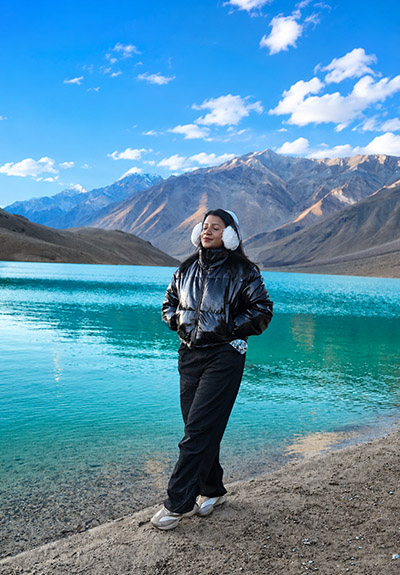
You'll stand at Key Monastery, eight centuries old, built into a hillside like it grew there rather than being built. You'll send a postcard from Hikkim, the world's highest post office, and feel oddly emotional watching it get stamped. You'll camp beside Chandrataal at night, and when you look up, you'll understand why people who've seen this sky struggle to describe it to people who haven't.
It's not an easy place. The roads are long, the air is thin, and nothing here moves quickly. But that's exactly why it stays with you long after softer, easier trips are forgotten.
We've run trips into this valley for years, across every season it has, summer's green shoulder months, the peak dry heat of July and August, and the brutal, beautiful cold of winter when the Kaza road itself sometimes becomes the story. Our team has personally travelled this route well over 50 times. What follows isn't copied off a tourism brochure, it's what we've actually learned from doing this, repeatedly, in every condition the valley throws at you.
June to September is peak season, the Manali route is open, roads are at their most reliable, and this is when most first time visitors should go.
October to early winter brings genuinely stunning golden light and thinning crowds, but the Manali route closes progressively, and travel shifts to the Shimla side.
December to February is deep winter Spiti, roads only accessible via Shimla, temperatures well below freezing, and a landscape almost nobody sees. This is a completely different trip from summer Spiti, not a colder version of the same one, and it's exactly what the Winter Spiti Expedition and Winter Spiti New Year Special are built around.
What is the cost of a Spiti Valley tour package from Delhi?
Packages start at Rs 12,999 for a 4N5D route and go up to roughly Rs 20,999 for longer 6N7D circuits, including winter and New Year departures, plus GST and personal expenses.
Which route is better, via Manali or via Shimla?
The Manali route via Kunzum Pass is shorter and more scenic in summer but only open roughly June through September. The Shimla route via Kinnaur takes longer, 14 to 16 hours, but stays accessible for more of the year, including winter.
Is Spiti Valley safe to visit in winter?
Yes, with the right operator. Winter Spiti requires the Shimla route specifically, since the Manali side closes with snow, and conditions demand proper cold weather gear and an operator experienced with the route in those exact conditions.
How many days do I need for a Spiti Valley trip?
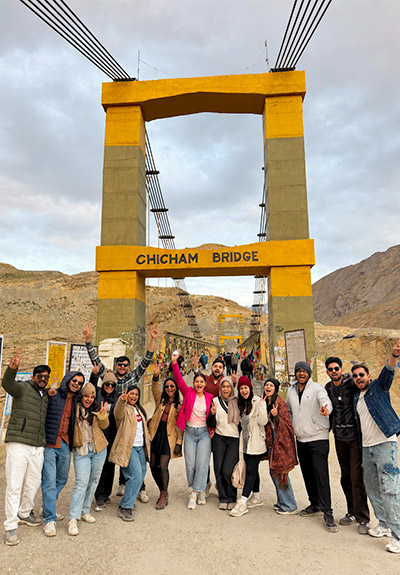
4 nights, 5 days covers the essentials on the shorter Half Circuit route. A fuller 6 night, 7 day trip allows time for Chandrataal, Chicham Bridge, and the high villages of Hikkim, Komic, and Langza without rushing.
Is there an airport in Spiti Valley?
No. The nearest airport is Kullu-Manali (Bhuntar), and most travel into Spiti happens by road from there or from Delhi via Shimla.
Do I need any permits to visit Spiti Valley?
Indian nationals generally don't need special permits for the standard Spiti circuit. Some restricted border adjacent areas may require an Inner Line Permit, arranged as part of the trip when relevant.

Trips are managed end-to-end by our team with no third parties involved, ensuring full accountability and transparency.

Our ground team monitors every route in real-time, ensuring transparency and robust security for all travelers.

We use a detailed filtering process to ensure you’re paired with like-minded travelers from marketing to operations.

We ensure a seamless experience with excellent stays, friendly drivers, and helpful staff for a memorable trip.
P.S. - We love talking about travel 24*7



Categories
Contact Us